When a ‘Good Deal’ Almost Cost Me My Job: A Procurement Lesson on CPAP Machines & Biosafety Cabinets
How I Ended Up Managing Medical Equipment Purchases
Back in 2020, I wasn't supposed to be the one buying medical equipment. I was an office administrator at a mid-sized urgent care network—about 400 employees across three locations. My job was supposed to be managing office supplies and coordinating with our cleaning crew. Then our previous procurement person left, and no one else wanted the headache. So it landed on my desk.
I remember my first real test: our lead physician asked me to source two new biosafety cabinets for our lab expansion. I didn't know the first thing about HEPA filters or airflow classifications. But I had a purchasing budget, a deadline, and Google. How hard could it be?
The Moment I Almost Made a Costly Mistake
When I took over purchasing in 2020, I made a lot of mistakes. The biggest one almost cost me my reputation—and a good chunk of our department budget.
In our 2024 vendor consolidation project, I was tasked with finding a supplier for new patient lifts and CPAP machines. I found a vendor online that quoted prices about 15% lower than our regular suppliers. Fifteen percent! I was thrilled. I thought I'd found a way to impress my VP of Operations by cutting costs.
I placed an order for five patient lifts and ten CPAP machines. The vendor seemed responsive. They promised delivery in 14 days. But then things got weird.
The Reality Check
From the outside, it looks like vendors just need to work faster for rush orders. The reality is rush orders often require completely different workflows and dedicated resources. This vendor didn't have those resources.
When the equipment arrived, three weeks late, the CPAP machines were used units, not new. The serial numbers matched a different model than what I ordered. The patient lifts had minor cosmetic damage. And when I asked for a corrected invoice, they sent a handwritten receipt.
Finance rejected the expense report. The $8,200 equipment cost was initially charged to my department budget. I had to eat the loss and re-order from our regular supplier. That unreliable supplier made me look bad to my VP when materials arrived late and the quality was subpar. I learned the hard way: 5 minutes of verification beats 5 days of correction.
What This Taught Me About Biosafety Cabinets & Eye Care Equipment
The same lesson applies when buying biosafety cabinets. People assume the lowest quote means the vendor is more efficient. What they don't see is which costs are being hidden or deferred. A low price on a Class II biosafety cabinet might mean they skipped the factory certification test or used an off-brand HEPA filter.
For eye care equipment, like a tonometer or slit lamp, the stakes are even higher. Diagnostic accuracy depends on precision calibration. When we bought our first fundus camera from a discount vendor, their training was limited to a single PDF manual. Our technicians spent weeks figuring out basic features.
This gets into technical certification territory, which isn't my expertise. What I can tell you from a procurement perspective is: always ask for proof of certification, verified by an independent third party. I'm not a medical technician, so I can't speak to optical calibration methods. But I can tell you how to evaluate a vendor's delivery promises and service support.
The Checklist I Created After My Third Mistake
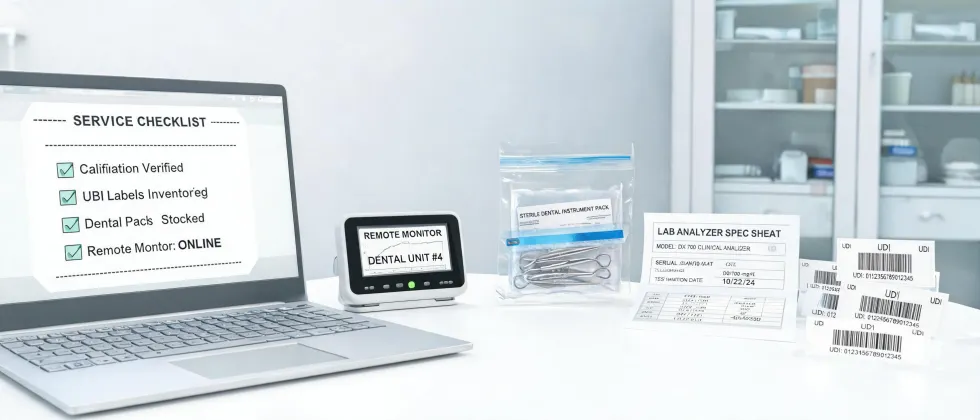
After my third purchasing error, I developed a 12-point verification checklist.
- Certification documents: Are they certified for medical grade? Biosafety cabinets need NSF/ANSI 49 certification. CPAPs need FDA clearance.
- Serial number verification: Match the models before accepting delivery.
- Invoicing capability: Can they provide a proper invoice with VAT or tax ID? (This saved me $2,400 in potential rejected expenses.)
- Warranty and service terms: What's the warranty period? Are they providing on-site service or just shipping replacements?
- Training materials: Do they offer installation training or is it just a manual?
To be fair, not every budget vendor is bad. I get why people go with the cheapest option—budgets are real. But the hidden costs add up. That 'cheap' biosafety cabinet might cost you $500 more in calibration fees within a year.
Lessons Learned
The 12-point checklist I created after my third mistake has saved us an estimated $8,000 in potential rework. It wasn't just about avoiding bad products—it was about maintaining credibility with my VP and the physicians who rely on this equipment daily.
Here's the honest truth: Most of these issues are preventable with proper specs. But spec sheets only tell you part of the story. You need to actually talk to the supplier, ask uncomfortable questions, and verify their claims against independent sources.
(I should add: this checklist now lives on our shared drive. My replacement—I moved to a different role in 2024—still uses it.)
Per FTC guidelines (ftc.gov), any advertising or endorsement claims for medical equipment must be truthful, substantiated, and not misleading. When reviewing supplier claims, I always double-check against the FTC Business Guidance on Advertising.
If you're an administrator being asked to buy a biosafety cabinet, patient lift, CPAP machine, or eye care technology, my advice is simple: trust, but verify. Take the extra five minutes to check certification. Request independent proof of quality. Because in the long run, it's not just about the equipment—it's about the trust your clinical staff places in what you buy.
As of January 2025, our regular suppliers for diagnostic equipment have maintained a 98% on-time delivery rate and a 0% defect rate. That's worth the extra upfront cost. Verify current pricing at [source] as rates may have changed.