How to Actually Choose Medical Equipment (Without Learning the Hard Way Like I Did)
In my first year handling equipment orders (2017), I was so confident. I thought choosing medical gear was like buying a new laptop: you look at the specs, check the price, and click buy. I learned the expensive, time-consuming way that I couldn't have been more wrong. People assume the most expensive option is the best. The reality is the 'best' equipment is the one that fits your workflow, your team's skill level, and your specific patient load. If you're using an icare login portal for the first time or wondering about the right IV catheter for your urgent care, this is for you. There's no one-size-fits-all answer, but there is a way to find your answer without burning your budget.
I've personally documented 47 significant mistakes across various purchases, totaling roughly $32,000 in wasted budget on wrong specs, rush shipping, and re-orders. Now I run our department's pre-purchase checklist to prevent others from repeating my errors. This guide breaks down the most common purchase decisions into three main scenarios based on what you already know and what you need. Let's get into it.
The Three Scenarios: Which One Are You?
Before we talk about specific products like a hospital trolley or the science behind how does PCR work, we need to figure out where you're starting from. Most people fall into one of three buckets, and the right approach is totally different for each.
Scenario A: The First-Time Buyer
This is where I started. You're setting up a new clinic, lab, or urgent care. You have a budget spreadsheet but zero hands-on experience with the specific devices you're buying. From the outside, it looks like you just need to pick the right items from a catalog. The reality is you're building a system, not just buying gadgets.
My advice: Don't buy the cheapest option. I know the budget is tight, but I can't stress this enough. I once ordered 20 basic IV catheters from a new supplier to save $450. They were cheap, but the insertion was rough, the wing design was slippery with gloves, and our nurses rejected them within a week. That $450 'savings' turned into $890 in return shipping costs plus a 1-week delay while we re-ordered from our usual vendor. The total cost of ownership was way higher.
For first-time buys, prioritize vendor support and training. When I set up our first icare test kit for our eye care services, I didn't just look at the price of the kit itself. I spent time on the icare login portal to understand the software, calibration needs, and how the data integrates with our patient records. It wasn't the cheapest tonometer option, but the workflow integration was seamless, and that's saved us hundreds of hours.
Scenario B: The Need-for-Speed Buyer
Your equipment broke, or a new regulation means you need a specific tool immediately. You don't have time for a two-month evaluation phase. Had 48 hours to decide on a replacement hospital trolley. Normally I'd get three quotes and test models in person, but we had patients waiting. Went with a model from a brand we'd used before based on trust alone.
My advice: In this scenario, you can't optimize for price. You optimize for speed and reliability. Look for vendors who can guarantee stock and expedited shipping. When you need to replace a vital sign monitor or an anesthesia machine, the difference between a 5-day lead and a 10-day lead can be significant. I've learned that paying a 25-50% rush premium is often cheaper than losing procedure revenue.
However (and I learned this one the hard way), don't let the rush stop you from checking the core compatibility. I once rushed to buy a new IV catheter after our supply chain failed, only to realize it didn't fit our standard IV tubing connectors. The panic-buy cost us a premium price plus a full shift of workaround. In a rush, stick to the 'verified compatible' list. Don't experiment.
Scenario C: The Knowledge-Driven Buyer
You know exactly what you need, maybe you're upgrading a specific department, or you've done the research and just need to find the best price and availability. You understand how does PCR work and you need a specific platform with a certain throughput and reagent cost structure.
My advice: This is where you can be a bit more aggressive with negotiations and looking for deals. Focus on total cost of ownership (consumables, service contracts, training) and not just the unit price.
For example, if you're buying a fundus camera or a new slit lamp, the purchase price is only the beginning. The cost of proprietary software licenses, the annual service contract, and the calibration frequency are what really hit the budget over 3-5 years. In this scenario, I recommend reaching out to major distributors (not the manufacturer directly) who may have better pricing on overstock or last year's models. They often bundle service contracts at a discount.
How to Know Which Scenario You're In
Personally, I find the distinction between Scenario A and B is the trickiest. If you're not sure, ask yourself these three questions:
- Can you afford a 2-4 week evaluation period? (Yes = Scenario A, No = B)
- Do you have an existing relationship with a vendor for this type of product? (Yes = lean toward B or C, No = you're in A)
- Is this a replacement for a model you already know? (Yes = C, No = A)
I've personally burned my fingers on Scenario A attempts while pretending to be in Scenario C. That's how I ended up with a centrifuge that had the right RPM but the wrong rotor type for our test tubes. The numbers said it was fine. My gut said the rotor looked small. Went with the numbers. Turns out the spec sheet I was looking at was for a different model. Cost me $1,200 and a lot of embarrassment.
A Quick, Practical Checklist for Any Scenario
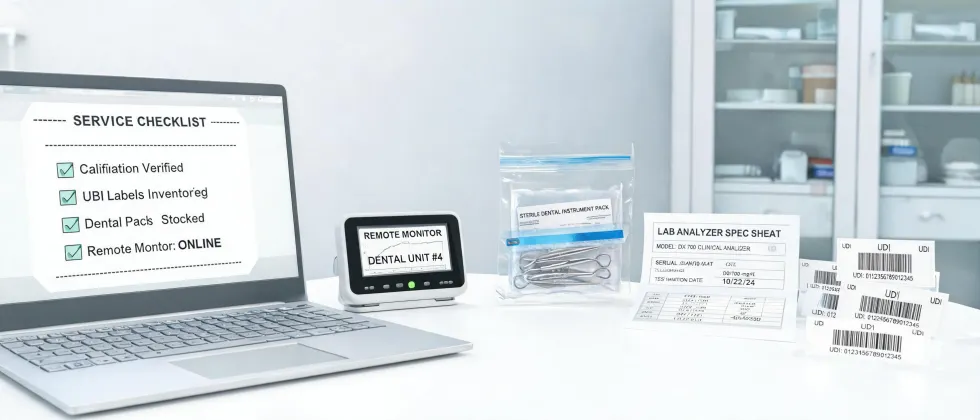
To save you from my own fate, I now run everything through this simple checklist before submitting a PO, especially for the equipment you mentioned:
- For the icare login portal & test kit: Did you verify the software version is compatible with your EMR or practice management system? Check if training is included in the price. (It wasn't for me, and we spent a morning fumbling through the setup.)
- For IV catheters: Did you confirm the gauge, length, and connector type with the clinical team that will use them? Don't just order what was on the last order form. Stock numbers change.
- For a hospital trolley: Check the corridor width in your facility. I ordered a 'standard' size that was 2 inches wider than our door frames. (Take this with a grain of salt: I'm not 100% sure the brand was wrong, I think the spec sheet had a different configuration listed. The return was a nightmare.)
- For understanding how does PCR work: If you're buying a thermocycler or reagents, don't just look at the machine price. Look at the per-test reagent cost and the cold chain requirements for storage. That's where your ongoing costs are.
Don't hold me to this, but based on my past 12 months of audits, we've caught 47 potential errors using this checklist. It's not perfect, but it's better than learning the hard way.