The icare Buyer's FAQ: Tonometer Use, Dental X-Ray Machines, Loupes, and Wheelchair Choices
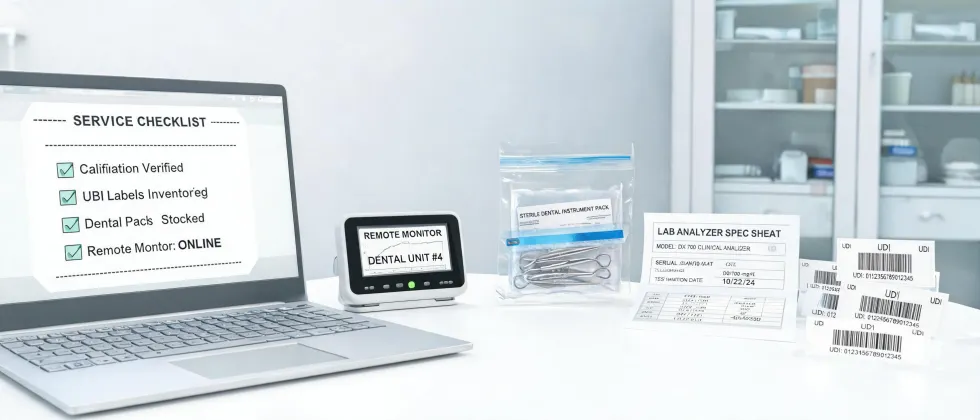
If you landed here after searching for 'icare dental insurance,' you're not the first. The name 'icare' gets used by insurance plans, tonometer manufacturers, and medical equipment suppliers. I work for the last one. I'm the quality and brand compliance manager. I review roughly 200+ unique products a year before they ship to hospitals, clinics, and dental practices. In 2025, I've rejected 11% of first deliveries so far. Usually because the documentation was incomplete. Sometimes because the product didn't match the approved sample.
This FAQ is written from that side of the table: not sales, not marketing. It's what I wish every buyer asked before signing a purchase order.
What does 'icare' mean in medical equipment?
Short answer: it depends. In some contexts, iCare is an insurance program. In medical equipment, icare is a supplier of devices across hospitals, dental clinics, eye care centers, labs, and rehab facilities. If you need dental insurance, this isn't the page for that. If you need equipment, this is exactly the right question.
From my side, the name matters less than the traceability. A device can have a clean logo and a messy regulatory file. When I evaluate a product, I start with the spec and the documentation, not the brand story.
How do I use an icare tonometer?
I'm not a clinician, so I won't try to diagnose anything. What I can tell you is what we check before a tonometer passes quality acceptance. Model-specific training still needs to come from the manufacturer.
- Insert a fresh, sterile probe into the probe base. If the packaging is damaged, throw it out.
- Position the patient and the device according to the manual. Rebound tonometry depends on consistent probe distance to the cornea. Don't guess.
- Press the measurement button. The unit takes a series of readings, usually six, and calculates a result with a reliability index.
- If the reliability index is poor, repeat. Don't accept the first number just because it's on the screen.
Why does this matter? Because sometimes the device gets blamed for a setup problem. And sometimes a setup problem is really a device problem. Good acceptance testing catches both.
What should I check before buying a dental X-ray machine?
Start with the regulatory file. In the U.S., that usually means FDA 510(k) clearance. In Europe, CE marking. Verify current requirements for your market. If the vendor can't show it, stop.
Then check the image receptor. By 2025, digital sensors are the normal baseline for new dental X-ray machines. Film still exists, but it's no longer the default choice for most installations.
Request sample images from the exact model you're considering. Don't accept 'similar model' images. And per FTC guidelines (ftc.gov), advertising claims must be truthful, not misleading, and substantiated. I treat sales statements the same way I treat product specs: if it's not documented, it doesn't count.
Finally, ask about service. Who calibrates it? Who trains your team? What's the response time? The surprise isn't usually the price difference between brands. It's how much the quality of training affects the images you get.
Do dental loupes actually matter?
They matter, but not because higher magnification is automatically better. I used to think 3.5x was always the right choice. Then I watched a clinician use a beautiful set of loupes with the wrong working distance. He spent the whole procedure hunched over. That defeats the purpose.
When choosing dental loupes, think about magnification, working distance, field of view, weight, frame balance, and whether integrated LED lighting is practical in your setting. Working distance is the one people skip: measure from your eyes to the actual work surface in your normal posture. Don't trust a generic working distance chart. Oh, and try them while doing a mock procedure. That's the test that matters.
How to choose a wheelchair
If you're trying to figure out how to choose a wheelchair, start with the user, not the catalog. Seat width is where everyone begins, but it's only one measurement.
- Seat width: measure at the widest point of the hips or thighs, and allow about a finger's width on each side.
- Seat depth: measure from the back of the buttock to the back of the knee, then leave a small gap behind the knee.
- Seat height: check the user's popliteal height plus shoe sole. This affects whether they can transfer safely.
- Weight capacity, frame width, and door clearance: a chair that fits the user but not the building is a problem.
- Posture support: cushion, back angle, tilt, or recline if needed. It's not a metal chair with wheels. It's a positioning system.
I once rejected a batch because the armrest height didn't match the approved sample. The vendor called it 'within industry tolerance.' The contract said otherwise. It got redone at their cost. I should add: that only worked because we wrote the spec down.
Is the most expensive option always the best?
No. When I first started in this role, I assumed higher price meant safer. It took a $22,000 mistake to unlearn that. Actually, let me correct myself: price can reflect quality, but only if it's buying something you need. Training, installation, calibration, spare parts, and response time all matter. If a cheaper unit meets the same spec and includes the same support, it's not the cheap option. It's the right option.
I want to say the $22,000 was a redo cost. But I might be misremembering the exact breakdown. What I remember clearly is that it didn't need to happen.
What's the one thing you'd tell a new buyer?
Consistency.
From the outside, quality inspection looks like checking boxes. The reality is checking for consistency. Every unit should match the approved sample. The device that passes qualification should be the same device that arrives in a box three years later. That's the part that keeps me up at night.
In 2025, the best practices from 2020 don't all apply. Digital imaging has changed dental X-ray workflows. Remote monitoring has changed what a patient monitor needs to do. But the fundamentals haven't changed: verify, test, document. Done.